
An episiotomy or perineal tear during vaginal delivery involves a cut or tear in the tissue between the vaginal opening and the anus, and while this area typically heals over time, some women continue to experience pain, tightness, or discomfort well after the initial recovery period. Episiotomy recovery physiotherapy focuses on supporting this healing process, addressing scar tissue, and helping restore comfortable movement and pelvic floor function.
This page explains what episiotomy recovery generally involves, how long perineal pain may last, and how physiotherapy can support healing.


An episiotomy is a surgical cut made to the perineum during delivery to help create more space for the baby, and perineal tears can also occur naturally without an episiotomy. As this area heals, scar tissue forms, and like any scar, it can occasionally become tight, tender, or restricted in its movement, sometimes contributing to ongoing discomfort during sitting, walking, or intercourse. Not every woman experiences prolonged symptoms, but for those who do, physiotherapy can offer a structured way to address them.
Women recovering from an episiotomy or perineal tear may notice:
Ongoing tenderness or pain at the site, beyond the initial healing weeks
Tightness or a pulling sensation around the scar
Discomfort during sitting, walking, or specific movements
Pain during intercourse related to the scar area
A sense that the area feels different or less flexible than before delivery
These experiences are common after vaginal delivery, and having them assessed can help clarify whether physiotherapy-based scar treatment may be helpful.

Perineal scar tissue can sometimes heal with reduced flexibility compared to the surrounding tissue, particularly if the area wasn’t gently mobilized during early recovery, or if the tear or incision was more extensive. Pelvic floor muscles can also become tense around a healing scar as a protective response, which may contribute to ongoing discomfort even after the tissue itself has healed. Because healing varies between individuals, some women recover without lasting symptoms while others benefit from more targeted support.
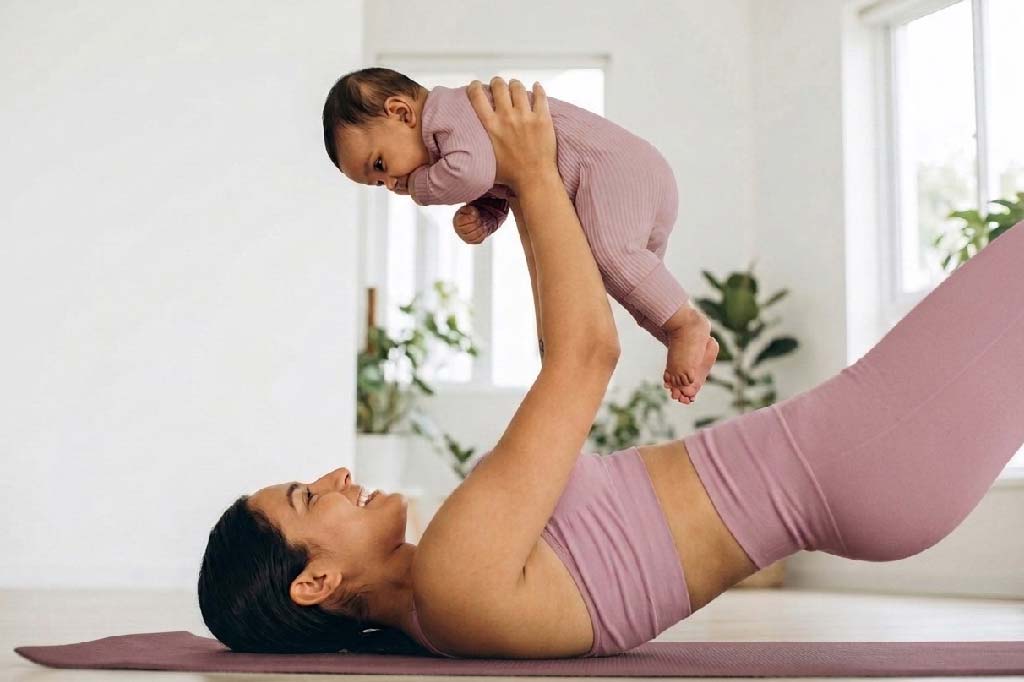

A physiotherapist can assess the scar’s healing, flexibility, and any related pelvic floor tension, then guide a treatment approach based on those findings. This may include gentle scar tissue techniques once the area has sufficiently healed, pelvic floor relaxation exercises if tension is contributing to discomfort, and guidance on gradually returning to comfortable movement and activity. Exercises to heal after an episiotomy are generally introduced step by step, respecting your comfort and healing timeline throughout.
An initial assessment typically involves discussing your delivery, when the episiotomy or tear occurred, and your current symptoms. Depending on your comfort level, a physical assessment of the scar and pelvic floor may be discussed, and this is always explained clearly beforehand and conducted only with your full understanding and consent, at a pace that respects your privacy and comfort. You're welcome to ask questions or pause at any point during the process.
Episiotomy recovery physiotherapy may be worth considering if you're experiencing ongoing perineal pain or tightness beyond the initial healing period, discomfort during intercourse related to the scar, or general pelvic floor tension since delivery that hasn't resolved on its own.
Most initial discomfort improves within a few weeks, but some women experience longer-lasting tightness or tenderness, which a physiotherapy assessment can help address if it persists.
Gentle pelvic floor awareness and relaxation exercises, along with scar-specific techniques once healed, are commonly used, introduced gradually based on individual assessment and comfort.
Visible healing doesn't always mean full tissue flexibility or pelvic floor function has returned. An assessment can help identify whether underlying tightness or tension remains.
Yes, for some women, scar tightness or associated pelvic floor tension can contribute to discomfort during intercourse, which physiotherapy may help address.
This depends on your individual healing, but gentle assessment and pelvic floor work can often begin once initial healing has progressed, with more specific scar work introduced later.
If you’re experiencing ongoing perineal pain, tightness, or discomfort after delivery, you can contact Shakthi Women’s Physiotherapy in Chennai to discuss an assessment in a private, respectful setting.
The information on this page is intended for general educational purposes and does not replace an individual assessment or professional medical advice.
Dedicated to empowering women through specialized physiotherapy care. We provide compassionate, evidence-based treatment for all stages of a woman’s life.
© 2026 Shakthi Women’s Physiotherapy ❤︎ Made with in Chennai
Dedicated to empowering women through specialized physiotherapy care. We provide compassionate, evidence-based treatment for all stages of a woman’s life.


© 2026 Shakthi Women’s Physiotherapy. Made with in Chennai